This post contains affiliate links. I may earn a commission at no extra cost to you.
I just picked up a food vacuum sealer, and I want to walk you through exactly what drew me to it, how I’ve been using it, and whether I think it’s worth the counter space. The short version: yes, I really like it, and I’ll show you why as we go.
If you’ve ever opened the fridge and found something you meant to use three days ago now covered in frost or starting to turn, you already understand the problem this thing solves. So let’s go ahead and get into it.
What a Food Vacuum Sealer Actually Does (And Why It Matters)
Okay, so the basic idea here is simple. A vacuum sealer removes the air from a specially designed bag before sealing it shut. And that matters because air, specifically the oxygen in it, is what accelerates spoilage. Bacteria, mold, and freezer burn all slow down significantly when oxygen is taken out of the equation. So food that might last a few days in a regular zip-lock bag can last considerably longer when vacuum sealed.
I find that a lot of people think of vacuum sealing as something restaurants or serious meal-preppers do. And sure, those folks benefit a lot. But, I think everyday home cooks benefit just as much, if not more, because most of us aren’t as precise about using things up quickly. A food vacuum sealer just gives you a much wider window to work with, which takes pressure off your whole week.
Who Is This Actually For?
Let me be straightforward here. This kind of kitchen tool makes the most sense for a few specific types of people, and I think it’s worth being clear about that rather than just saying “everyone needs one.”
- People who buy in bulk. If you shop at a warehouse store or buy larger cuts of meat to portion yourself, a vacuum sealer is a genuinely smart investment. You can break down a large pack of chicken breasts, seal individual portions, and freeze them without worrying about freezer burn for a long stretch of time.
- Meal preppers. If you cook ahead for the week, sealed portions stay fresher longer in the fridge and hold up much better in the freezer. You can cycle meals in and out without losing quality.
- People who hate food waste. I am very much in this camp. I sometimes forget about things. I’ll buy fresh herbs for one recipe and then half the bunch just sits there. With a vacuum sealer, I can seal up what I’m not using right away and actually come back to it in good shape.
- Anyone who sous vide cooks. Sous vide requires food to be in a sealed bag submerged in temperature-controlled water. A vacuum sealer is pretty much essential for that method.
If you live alone or tend to cook and eat the same day every day, the benefit is a little smaller for you, but it’s still there for things like marinating, storing coffee beans, or sealing up snacks to keep them fresh.
How I’ve Been Using It: A Real-World Walkthrough
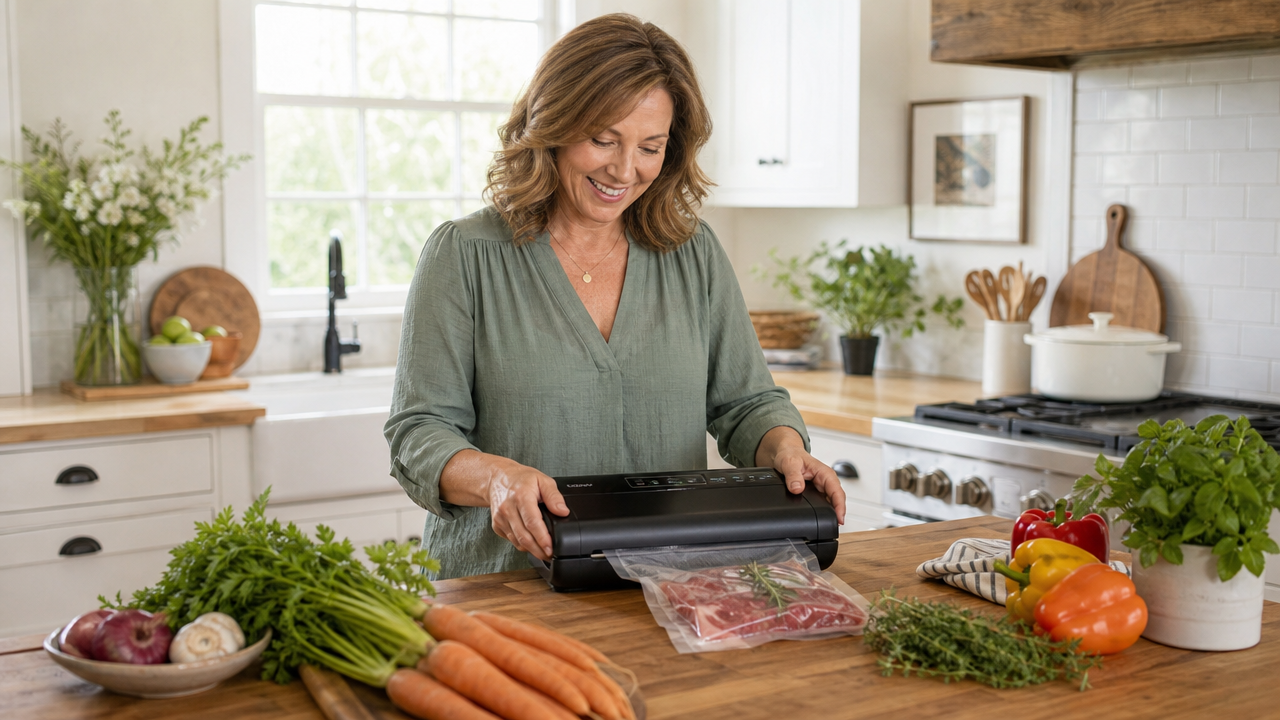
So here’s how I actually use this vacuum sealer day to day. I tend to cook a few proteins at the start of the week, and what I’ll do is portion them out into individual or two-serving sizes, drop them into a sealing bag, and run them through the machine. It takes maybe thirty seconds per bag once you get the hang of it.
The process is pretty intuitive. You place the open end of the bag into the sealing channel, close the lid, and press the seal or vacuum-and-seal button. The machine pulls the air out, you can kind of see the bag tighten around the food as it does, and then it heat-seals the end of the bag shut. I find it genuinely satisfying to watch, if I’m being straightforward about it.
One thing I noticed right away is that for liquids or anything with a lot of moisture, like marinated meat or soups, you want to be a little careful. Liquid can get pulled up into the sealing mechanism if the bag is too full or if the food is too close to the opening. I learned that the hard way with a marinade. So I keep a bit more space at the top than I initially thought I needed, and that works quite well.
For dry goods like nuts, crackers, coffee, or pasta, it’s even easier. No liquid to worry about, and the seal comes out clean every time.
The Sealing Bags: What to Know
This is something I think is worth pausing on, because the bags are an ongoing cost to factor in. Vacuum sealer bags are not the same as regular freezer bags. They have a textured, ribbed side that allows the machine to channel the air out evenly. You can buy them in rolls and cut your own sizes, or buy pre-sized bags. I tend to prefer rolls because I can customize the length depending on what I’m sealing, which reduces waste.
Some vacuum sealers are compatible with generic or third-party bags, which keeps the running cost lower. It’s worth checking before you commit, but generally the ribbed-bag design is fairly standard across brands.
You can also reuse bags that held dry goods, as long as you wash them out and let them dry thoroughly. I do this with bags that held things like nuts or coffee. For anything that held raw meat, I just use a fresh bag. That feels right to me from a food safety standpoint.
Practical Features That I Think Are Worth Talking About
There are a few functional design elements I want to call out from actually using this thing, because I think they matter more than marketing language does.
The first is the width of the sealing channel. A wider channel means you can seal larger bags, which matters if you’re working with bigger cuts of meat or bulkier items. Narrower machines limit you to smaller portions, which can be frustrating.
The second is the option to do a seal-only versus a vacuum-and-seal. The seal-only mode is useful when you’re working with delicate foods like chips or bread that you don’t want crushed by the vacuum process. You can remove most of the air by hand, then just seal the bag. It’s a small feature but I find I use it more than I expected.
The third is bag storage. Some machines have a built-in roll holder and cutter, which means you’re not hunting around for scissors every time you need to cut a custom-sized bag. I find this genuinely convenient and a good sign of thoughtful design.
Marinating: A Use I Didn’t Expect to Love
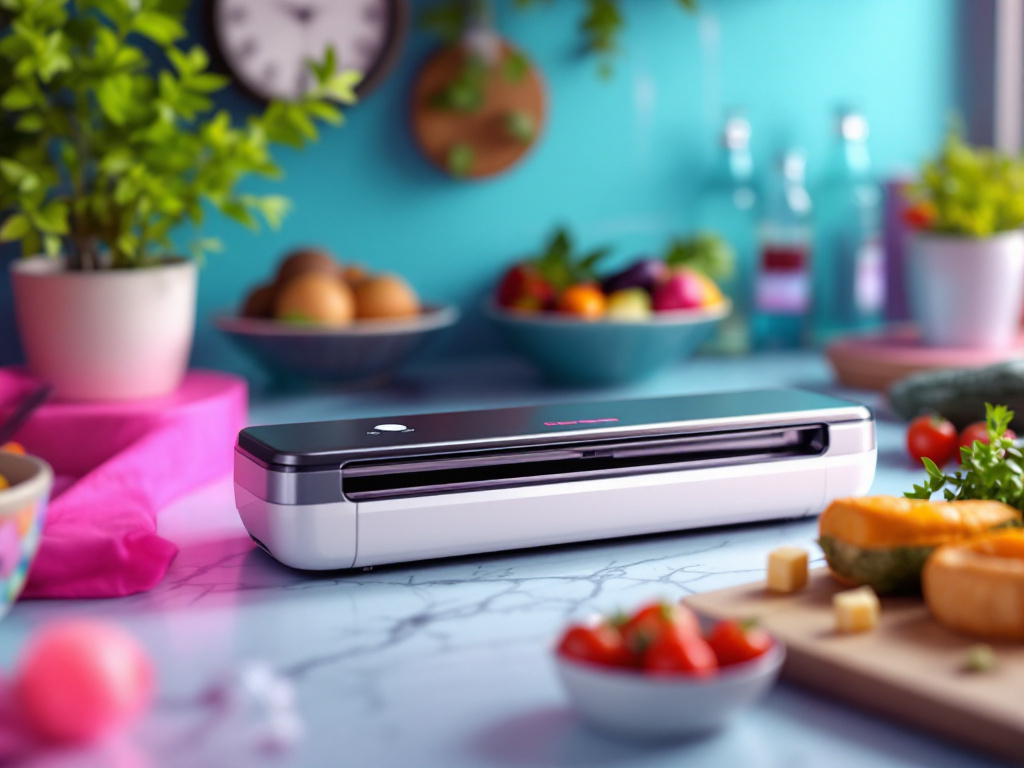
Okay, so this one surprised me a bit. When you vacuum seal meat in a marinade, the reduced pressure actually helps the marinade penetrate the meat faster than it would sitting in a bag or container in the fridge. What might take overnight in a regular situation can happen in a fraction of the time in a vacuum-sealed bag.
I’ve been using this for chicken and it works quite well. I put the chicken in a bag with whatever marinade I’m using, leave a good amount of space at the top, seal it carefully, and then either put it in the fridge or use the vacuum to speed up penetration. It’s become one of my favorite little kitchen efficiencies, and I’m so happy this feature gets mentioned more now because it’s genuinely useful.
Trade-Offs Worth Knowing About
I want to be straightforward about the things that give me pause, because I think that’s more useful than just talking up the positives.
First, there is a learning curve. Not a steep one, but the first few times you use a vacuum sealer, you might get an imperfect seal, or pull liquid up into the machine, or seal a bag at a weird angle. You kind of learn as you go. I definitely did. I’m not doing the greatest job the first couple of times, and that’s fine, it gets easier quickly.
Second, the bags are an ongoing cost. If you seal a lot of things regularly, that adds up over time. This is a real trade-off. The counter-argument is that reducing food waste saves money, and for most people who use it consistently, the math tends to work out. But it’s not a zero-cost proposition after the initial purchase.
Third, these machines take up counter or storage space. If your kitchen is already feeling crowded, that’s worth thinking about. Some machines are more compact than others, so it’s worth measuring before you buy.
Fourth, they’re not ideal for very soft or fragile items you want to keep intact. Delicate pastries, for example, would get crushed by the vacuum. You can use the seal-only mode for those, but you lose most of the preservation benefit at that point.
How It Compares to Just Using Freezer Bags
This is the question I asked myself before I bought this, so I want to address it directly. Regular freezer bags do work. They’re better than nothing, and if you press out the air by hand, they’re decent for short-term freezer storage. But they can’t match the airtight seal of a vacuum sealer for longer storage. Freezer burn is largely a result of air and moisture exposure, and a hand-pressed freezer bag still lets in more air than a properly vacuum-sealed bag.
If you’re freezing something for a week or two, a freezer bag is probably fine. If you’re thinking months, or if you’re really serious about keeping quality high, the vacuum sealer wins clearly. I find the difference most noticeable with fish and delicate proteins, where quality degradation in a regular bag is more obvious.
My Take on Whether It’s Worth It
I really like this food vacuum sealer. That’s the plain truth. It fits into how I actually cook and shop, and it’s changed how I think about buying and storing food in a genuinely practical way. I buy more in bulk now because I trust that things will stay good. I waste less. My freezer is more organized because everything is in flat, labeled sealed bags rather than half-open containers.
For the right person, and I think that’s a pretty wide group, this is a well-thought-out kitchen tool. The design thinking behind features like the seal-only mode and integrated bag storage shows real attention to how people actually use these things day to day, which I appreciate.
If you’re on the fence, I’d say take a look. It’s worth considering seriously if any of the use cases I mentioned sound like your life. The food vacuum sealer is a practical, functional addition to a kitchen that I’d genuinely recommend without hesitation.
👍 Pros
- Significantly extends the shelf life of both refrigerated and frozen foods, reducing waste
- Speeds up marinating by helping liquid penetrate meat more quickly under reduced pressure
- Seal-only mode protects delicate or crushable foods from vacuum pressure
- Compact sealed bags make freezer organization much more manageable
- Useful for a wide range of foods including proteins, dry goods, and fresh produce
👎 Cons
- Ongoing bag cost is a real consideration for frequent users
- There is a short learning curve around liquid management and proper bag positioning
- Requires counter or cabinet storage space, which may be a constraint in smaller kitchens
👉 A genuinely practical kitchen upgrade that pays for itself in reduced food waste and better meal-prep efficiency, worth a serious look.
Frequently asked questions
Can I use third-party bags with a food vacuum sealer?
Generally yes, as long as the bags have the ribbed or textured interior channel that allows air to be drawn out evenly. Many vacuum sealers work with generic bags sold in rolls or pre-cut sizes. It’s worth checking the machine’s compatibility before buying in bulk.
Is a vacuum sealer hard to learn to use?
Not really, but the first few uses take some adjustment. The main thing to get right is leaving enough space at the top of the bag and being careful with liquids or moist foods. Most people get comfortable with it after a handful of uses.
Can I vacuum seal liquids like soups or marinades?
You can, but it requires care. Liquids can get pulled into the sealing mechanism if the bag is too full or the food is too close to the opening. The safest approach is to freeze liquid-heavy items first until they’re solid, then vacuum seal them. For marinades, leave generous space at the top of the bag.
Can vacuum sealer bags be reused?
Bags used for dry goods can often be washed, dried thoroughly, and reused. Bags that held raw meat, fish, or anything with bacteria risk are better replaced with fresh bags for food safety reasons. Reusing dry-good bags is a good way to manage the ongoing cost of bags.
How much longer does food actually last when vacuum sealed versus regular storage?
The improvement is meaningful, particularly for freezer storage where vacuum sealing significantly reduces freezer burn compared to regular bags. The exact duration depends on the food type, but the general benefit of removing oxygen is well established for slowing spoilage and preserving quality.