This post contains affiliate links. I may earn a commission at no extra cost to you.
Plain Water Gets Boring by Noon
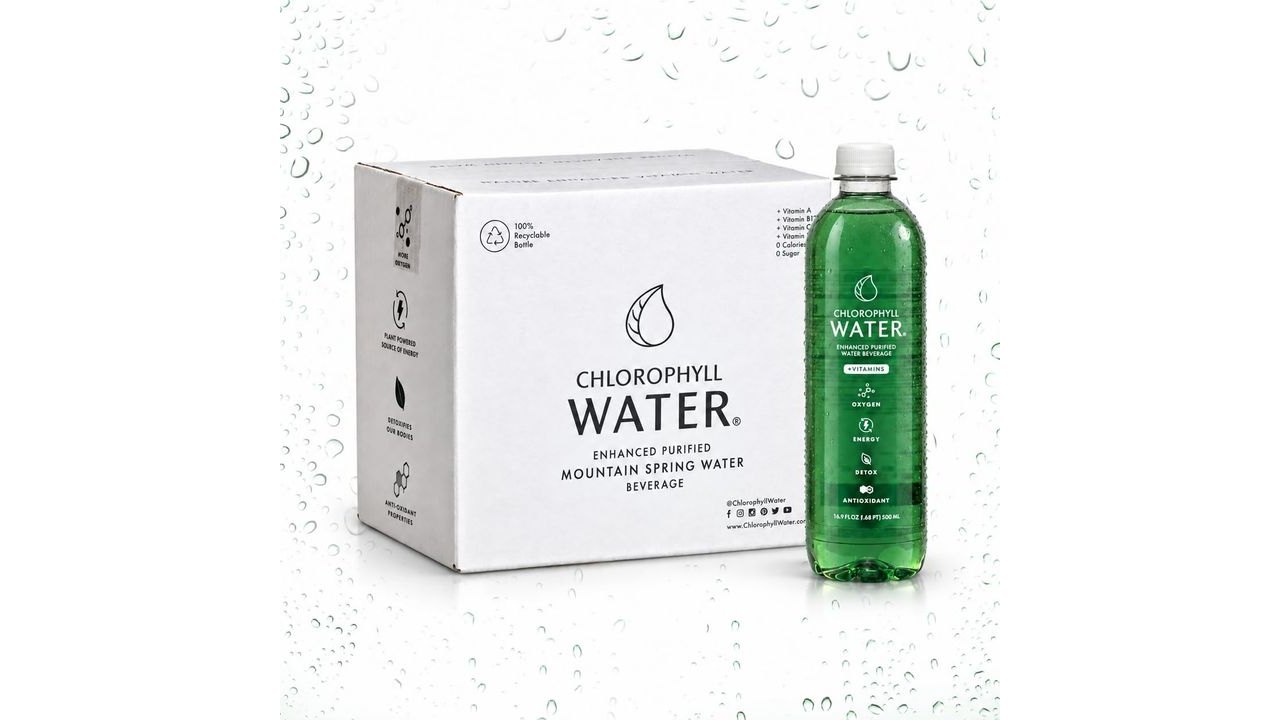
That’s the problem this drink is built around. Most people don’t fall short on hydration because water is hard to find. They fall short because it’s dull, so the third bottle of the day turns into a soda or a coffee instead. Chlorophyll Water is a bottled water infused with liquid chlorophyll from alfalfa, organic lemon juice, and natural spearmint, with vitamins A, B12, C, and D3 folded in. No caffeine. No sugar crash to plan around.
The pitch is simple enough: take the thing you already have to do twelve times a day and make it slightly more interesting, with a few extras riding along. Whether the extras earn the price is the real question, and the answer isn’t a flat yes.
| Bottle size | 16.9 oz (500 mL), sold as a 6-pack |
|---|---|
| Active ingredient | Chlorophyllin, derived from alfalfa |
| Flavor | Natural spearmint + organic lemon juice |
| Vitamins | Plant-based A, B12, C, D3 |
| Water treatment | Carbon filtration, triple filtration, UV |
| Packaging | 100% recycled plastic (rPET), CleanFlake label |
Where Chlorophyll Water Sits in a Crowded Green Aisle
It’s the convenience tier of the chlorophyll category, and it’s priced like it. Founded by Matt Levine in 2019, the brand claims to be the first bottled water in the U.S. to pass Clean Label Project Certification, with batch testing against 90+ environmental and industrial toxins. That’s the differentiator, not the green color.
Compare it to the alternatives and the trade-offs get clear fast. Liquid chlorophyll drops from a brand like Double Wood deliver chlorophyllin in concentrated form at a fraction of the cost per serving, but you’re measuring and mixing every time. Green juice gives you far more nutrient density from whole plants, and also a juicer to wash. Capsules dose precisely and cheaply, with zero hydration benefit. Plain premium bottled water is cheaper than all of it, and critics argue the hydration alone does most of the work people credit to chlorophyll.
So the thing you’re buying here is portability plus purity testing. If you already own chlorophyll drops and never remember to use them, that’s a real gap being filled. If you were going to drink water anyway, it’s a luxury purchase.
What the Label Translates To
Five ingredient claims, and each one means something slightly different in daily use.
Chlorophyllin from alfalfa. Note the “-in.” This is a copper-modified, water-soluble version of chlorophyll, not the natural chlorophyll you get from eating spinach, and it doesn’t behave identically in the body. It’s the form nearly every bottled green drink uses, because natural chlorophyll isn’t stable in water. It carries antioxidant properties, and it’s what turns the water that pale green shade.
Spearmint and organic lemon. This is the part that decides whether the 6-pack gets finished or sits in the pantry. Buyers consistently describe it as light rather than aggressive, and easier to drink than chlorophyll drops stirred into tap water, which taste distinctly of pond.
Vitamins A, B12, C, and D3. For anyone tired of four separate pill bottles, folding them into something you’re drinking anyway is legitimately tidier. It is not a replacement for a multivitamin you actually need, and the amounts are a supplement to a diet, not a rescue for one.
No caffeine. The energy claim here is about hydration and B12 rather than stimulation. People swapping an afternoon coffee for this are trading a spike for steadiness, which suits some days and not others.
rPET bottle with CleanFlake label. Made from 100% recycled plastic with a label designed to separate cleanly in recycling. Better than virgin plastic. Still single-use plastic, and some sustainability voices flag bottled chlorophyll drinks as an unnecessary use of it. Both things are true at once.
Check the current price on the product page, since it moves and changes regularly.
The Detox Myth Is the Biggest Misread
This is not a detox drink, and expecting it to be is how people end up disappointed.
What the research supports is milder. Some studies suggest digestive and antioxidant benefits, but many are observational rather than randomized controlled trials, and a good number were run on animals. The internal-deodorant claim, one of the oldest chlorophyll claims going, still lacks strong clinical evidence. And the glowing-skin reports? A fair share of skeptics attribute those to the simple fact that someone started drinking more water.
There’s also a dosing reality. A ready-to-drink bottle typically carries a lower chlorophyll concentration than a dedicated supplement, so if the compound itself is what you’re after, this is the less efficient way to get it. For long-term health, a diet heavy in dark leafy greens outperforms any chlorophyll product, full stop.
Frame it as flavored, purity-tested water with a mild wellness extra and it makes sense. Frame it as a cleanse and it never will.
Who It Suits, and Who Should Pass
It fits people who under-drink water and need a reason to finish the bottle. Yoga bags, desk drawers, travel days, anyone reaching for a soda out of boredom rather than thirst. It also fits existing chlorophyll users who own the drops and hate the ritual, and anyone anxious about contaminants in mainstream bottled water, since the Clean Label testing is the one claim here with actual third-party structure behind it.
Pass on it if you take blood thinners or clotting medication without talking to your doctor first, because chlorophyll has been known to interfere with anticoagulants. Pass if you’re chasing maximum chlorophyll per dollar, because drops and capsules win that comparison outright. Pass if you burn easily and spend your days outdoors, since chlorophyll can increase sun sensitivity and sunburn risk. And pass if single-use plastic is a line you don’t cross, recycled or not.
Pros
- Clean Label Project Certified, tested against 90+ environmental and industrial toxins
- Light spearmint and lemon flavor that’s easier to drink than chlorophyll drops in plain water
- Vitamins A, B12, C, and D3 built into something you’re already drinking
- No caffeine, no sugar, no jitters, genuinely portable
- Bottled in 100% recycled plastic with a recycling-friendly label
Cons
- Per-bottle cost sits well above plain bottled water, and even fans call the price high
- Lower chlorophyll concentration than a dedicated supplement
- Science behind the skin, energy, and deodorant claims is thin and largely observational
- Potential GI upset, photosensitivity, and anticoagulant interaction
- Only a 6-pack, so it’s not a practical whole-household hydration swap
What we’d improve
- No stated chlorophyllin dose per bottle, listing the milligrams on the label would let buyers compare it directly against other chlorophyll products.
- Small pack size only, a larger count option would soften the per-bottle cost for anyone drinking it daily.
- Plastic-only format, a concentrate or aluminum option would answer the single-use criticism without abandoning the convenience angle.
Frequently Asked Questions
Does chlorophyll water stain teeth or clothing green?
Chlorophyllin is a strong pigment, so spills on light fabric are worth rinsing quickly rather than letting sit. Teeth staining isn’t a widely reported issue with a diluted bottled drink, though people using concentrated drops sometimes rinse afterward as a precaution.
Can you drink it every day long term?
For most healthy adults, daily use is generally considered fine, and the water itself is the bulk of what you’re consuming. The sensible caveats are the known ones: GI distress, allergic reaction, and sun sensitivity. Anyone on medication, pregnant, or nursing should check with a doctor before making it a habit.
How long before you’d notice anything?
There’s no reliable timeline, because the strongest effect is simply drinking more water, and that shows up within days. Reports of digestive or skin changes usually surface over a few weeks of consistent use, and the evidence behind them is anecdotal rather than clinical.
Should it be refrigerated, and does the color fade?
Store it like any bottled water: sealed, at room temperature, out of direct sunlight, and chill before drinking if you prefer it cold. Light exposure is the thing to avoid, since pigments in general do better away from a sunny windowsill.
Get it now
Chlorophyll Water (6-Pack) Clean Label Certified Bottled Water, Plant-Based Vitamin Infused Drink with Chlorophyll, Spearmint & Lemon, Hydration & Wellness Beverage (16.9oz)
Get the best price on Amazon →This post contains affiliate links. I may earn a commission at no extra cost to you.
If your water bottle keeps going warm and unfinished on the desk, and you’d rather pay for something purity-tested than reach for another soda, this is an easy one to try a 6-pack of and see how it lands.