This post contains affiliate links. I may earn a commission at no extra cost to you.
Quick Verdict
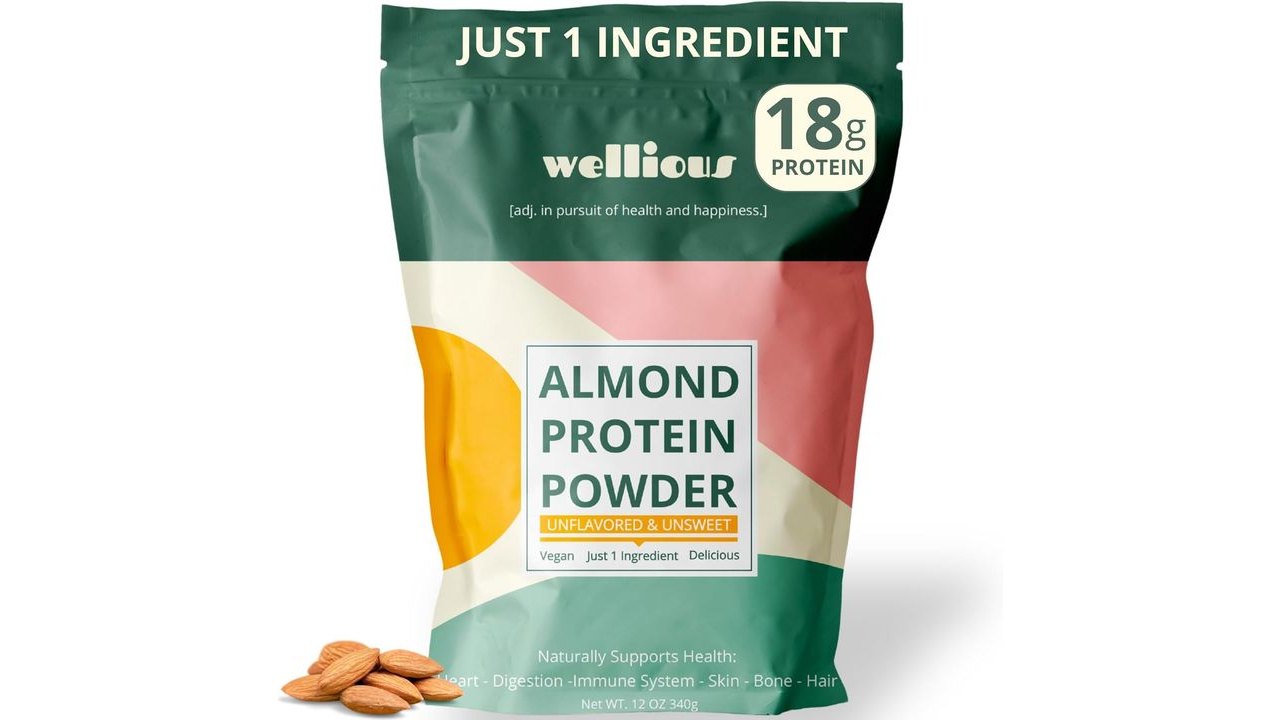
One real ingredient, 18g of protein, and a formula built around not upsetting your stomach. wellious Almond Vegan Protein Powder trades protein volume and bulk-size value for a clean label and gentle digestion, which is exactly the swap sensitive stomachs are looking for.
Buy if you:
- Bloat, cramp, or get headaches from pea protein
- Want an unflavored powder with a single ingredient
- Avoid soy and dairy for allergies or preference
- Stir protein into coffee, oatmeal, or baking
Skip if you:
- Need 25g+ protein per scoop for heavy training, since each scoop lands at 18g
- Want a big bulk tub, as one bag runs roughly 10 servings
- Have a nut allergy, because it’s almond-based
The Bloating Problem Most Plant Proteins Won’t Fix
Pea protein looks great on paper and then wrecks your afternoon. That’s the quiet frustration behind a lot of plant-protein shopping: the label promises 24g and clean energy, and two hours later there’s cramping, gas, or a dull headache. If that pattern sounds familiar, an almond vegan protein powder is worth a look, and wellious Almond Vegan Protein Powder is one of the few built specifically around digestion rather than raw protein numbers.
The pitch is simple. The unflavored version is one ingredient. No gums, no lecithins, no sugar alcohols, no soy, no dairy. For anyone who reads a supplement label and feels their eyes glaze over, that’s the whole appeal. This guide breaks down what that clean formula actually means for you, where it wins, and where it falls short.
What’s Actually in the Bag
The unflavored SKU contains a single ingredient: almond protein. That’s the headline claim and, per the brand’s listing, it holds up. No hidden fillers, no flavor system to hide behind. The flavored versions (vanilla and chocolate) run five ingredients total: almond protein, chickpea protein, cocoa or vanilla, and pure monk fruit for sweetness. No sugar alcohols, which is the additive that triggers the most complaints in other powders.
Every SKU delivers 18g of protein per scoop. Each serving also carries about one-third of the daily recommended fiber, which the brand credits for the gentler-on-the-gut effect. Fat content sits around 4.4% with negligible saturated fat.
| Protein per scoop | 18g |
|---|---|
| Net weight per bag | 340g (~10 servings) |
| Unflavored ingredients | 1 (almond protein) |
| Flavored ingredients | 5 (almond, chickpea, cocoa/vanilla, monk fruit) |
| Fiber | ~1/3 of daily recommended per serving |
| Free from | Soy, dairy, sugar alcohols, gums, lecithins |
| Diet flags | Vegan, keto-friendly, low sugar |
Turning the Specs Into Real Benefits
A one-ingredient label isn’t a marketing flex here, it’s a filter. If you’ve ever avoided a powder because you couldn’t pronounce half the ingredients, this removes that entire problem. What you mix into your glass is almond protein and nothing else.
The soy-free and dairy-free part matters for two big allergy groups. Whey and casein knock out most mainstream powders for dairy-sensitive shoppers, and soy sneaks into a surprising number of plant blends. This sidesteps both. And the fiber content plus the absence of sugar alcohols is the digestive angle: sugar alcohols like erythritol and maltitol are a common cause of the gas and bloating people blame on “protein powder” in general.
Keto and low-sugar dieters get a clean fit too, since there’s no added sugar and the flavored versions lean on monk fruit rather than a sweetener load.
How It Mixes and Tastes
Mixability is where almond protein usually beats the reputation of plant powders. Aggregated buyer feedback points to a smooth blend in water, milk, or smoothies, with reviewers specifically noting it isn’t chalky and doesn’t leave the classic gritty aftertaste. The unflavored version is designed to disappear into whatever you add it to, which is why it shows up in coffee, oatmeal, yogurt, and baked goods rather than only shakes.
That said, texture isn’t universally loved. Some hands-on reviewers found it grainier than they wanted, with one describing the texture as borderline unbearable even mixed into almond milk. Almond protein can read slightly grittier than whey no matter the brand, so a blender bottle with a whisk ball or a quick spin in a real blender is the smart move if smoothness is your priority.
The Trade-Offs Worth Knowing Before You Buy
18g per scoop is the number to sit with. Plenty of pea and whey powders deliver 20 to 25g, so if you’re chasing a high daily protein target or building serious muscle, you’ll either use a bigger scoop or fall short next to those competitors. For general recovery, satiety, and lean strength it’s fine. For high-volume athletes, it’s a compromise.
Serving count is the other catch. One 340g bag lands around 10 scoops. A two-person household that drinks a shake each won’t get a week out of a single bag, so the per-serving math climbs fast and this isn’t a bulk-tub value play. Packaging is a related weak spot: aggregated reviews cite zipper seal failures, so it’s worth transferring the powder to an airtight container if the reseal feels flimsy.
One more gap for the certification-minded: research didn’t surface any third-party lab testing (Informed Sport, NSF, and similar). If a tested-for-athletes seal is non-negotiable for you, that’s a box this one doesn’t currently check.
Get it now
wellious Almond Vegan Protein Powder, Unflavored, 18g Protein, Soy-Free
Get the best price on Amazon →This post contains affiliate links. I may earn a commission at no extra cost to you.
Who This Almond Vegan Protein Powder Actually Suits
This is a sensitive-stomach product first and a muscle product second. The people it fits best are the ones who’ve cycled through pea and rice powders and given up on the whole category because of the aftermath. If you have IBS or a GI-restricted diet, this is squarely aimed at you; buyer feedback includes an IBS user who reported no GI issues and one whose gastroenterologist recommended the brand directly.
It also suits label-readers who want the shortest ingredient list possible, anyone avoiding soy and dairy, and cooks who want an unflavored protein to slip into oatmeal, coffee, or baking without changing the taste. It’s a poor match for high-protein athletes, bulk-buying budget shoppers, and anyone with a nut allergy.
How It Stacks Up Against Other Clean Proteins
The closest rival is NOOSH Almond Protein, which delivers 20g per scoop unflavored and is also soy and dairy free, so it edges out on protein density in the same clean-label lane. Drink Wholesome plays the same game too: additive-free, almond-based, and aimed squarely at GERD and IBS stomachs, making it the most direct positioning overlap.
Step outside almond and the trade-offs sharpen. Truvani’s pea protein gives you 20g and organic sourcing, but pea is the exact bloating trigger a lot of buyers are fleeing. Naked Rice is single-ingredient and cheaper per serving, yet grit is a frequent complaint and the amino profile is less complete. Orgain and Vega win on shelf availability, serving count, and cost, but they get there with gums, lecithins, and longer ingredient lists. The wellious pitch isn’t “more protein” or “cheaper,” it’s clean label plus digestive tolerance. Judge it on that.
Smart Ways to Get the Most From It
Blend it, don’t just shake it, if texture matters to you. A whisk ball or a real blender smooths out the graininess almond protein can carry. Mixing into a smoothie with banana or nut butter also masks any earthiness better than plain water does.
If you’re using it for muscle recovery, plan around the 18g figure. Two scoops or pairing it with another protein source across the day closes the gap to the 20 to 25g many training plans call for. And because a bag is only around 10 servings, buying with the current price in mind matters. Check the live price on the product page before you commit, and consider decanting into an airtight jar given the reported zipper issues.
Pros
- Unflavored version is a single real ingredient with no hidden additives
- Soy-free, dairy-free, keto-friendly, and low in sugar
- Built around gentle digestion, with fiber and no sugar alcohols
- Mixes smoothly in water, coffee, smoothies, and baking for most users
- Flavored options keep the ingredient count to five with monk fruit sweetening
Cons
- 18g per scoop is lower than many pea and whey competitors
- Roughly 10 servings per bag makes per-serving cost high
- Texture can read gritty for some, especially in plain liquid
- Zipper packaging failures reported in aggregated reviews
- No third-party lab certification surfaced in research
Frequently Asked Questions
Does almond protein powder taste chalky like other plant proteins?
Generally no, and that’s one of its selling points. Buyer feedback repeatedly notes it isn’t chalky and lacks the earthy aftertaste common to pea and rice powders. The unflavored version is designed to be nearly neutral, though a small number of reviewers still find the texture grainier than they’d like.
Will it cause bloating the way pea protein does?
It’s specifically formulated to be gentler, with fiber and no sugar alcohols, gums, or lecithins that commonly trigger bloating. Some users with IBS reported no GI issues at all. Reactions are individual, so a smaller first purchase is a sensible way to test your own tolerance.
Is 18g of protein per scoop enough for building muscle?
It’s adequate for general recovery and lean strength but sits below the 20 to 25g many muscle-building plans target. If your goal is serious mass, you’ll likely use two scoops or pair it with another protein source across the day.
Is the unflavored version really just one ingredient?
Yes, per the brand’s listing the unflavored SKU is almond protein and nothing else. No fillers, no gums, no sweeteners. The flavored versions add up to five ingredients total, including chickpea protein and monk fruit.
Is it truly soy-free and dairy-free for allergy sufferers?
Yes, it’s formulated to be both soy-free and dairy-free, which is why it appeals to shoppers avoiding whey, casein, and soy. Note that it’s almond-based, so it isn’t suitable for anyone with a tree nut allergy.
How many servings are in a bag, and is that cost-effective?
Each 340g bag yields about 10 scoops. For a single daily user that’s roughly a week and a half; for a two-person household it won’t last a week. That makes per-serving cost higher than bulk-tub competitors, so it’s better framed as a clean-label choice than a budget one.
Can I bake with it or add it to coffee without ruining the flavor?
Yes, the unflavored version is made for exactly that. Its neutral profile lets it blend into oatmeal, yogurt, baked goods, and coffee without dominating the taste. For hot coffee, stir a small amount into a paste with a little liquid first to avoid clumping.
Is it keto-friendly and low in carbs?
Yes, it’s marketed as keto-friendly and low in sugar with no sugar alcohols. Flavored versions use monk fruit rather than added sugar, so it fits a low-carb approach for most users. Check the nutrition panel on the current SKU for exact carb counts.
Is there third-party testing for athletes?
No third-party certification such as Informed Sport or NSF was surfaced in research. If a tested-for-competition seal is important to you, this is worth confirming with the brand directly before buying.
Get it now
wellious Almond Vegan Protein Powder
Get the best price on Amazon →This post contains affiliate links. I may earn a commission at no extra cost to you.