This post contains affiliate links. I may earn a commission at no extra cost to you.
Quick Verdict
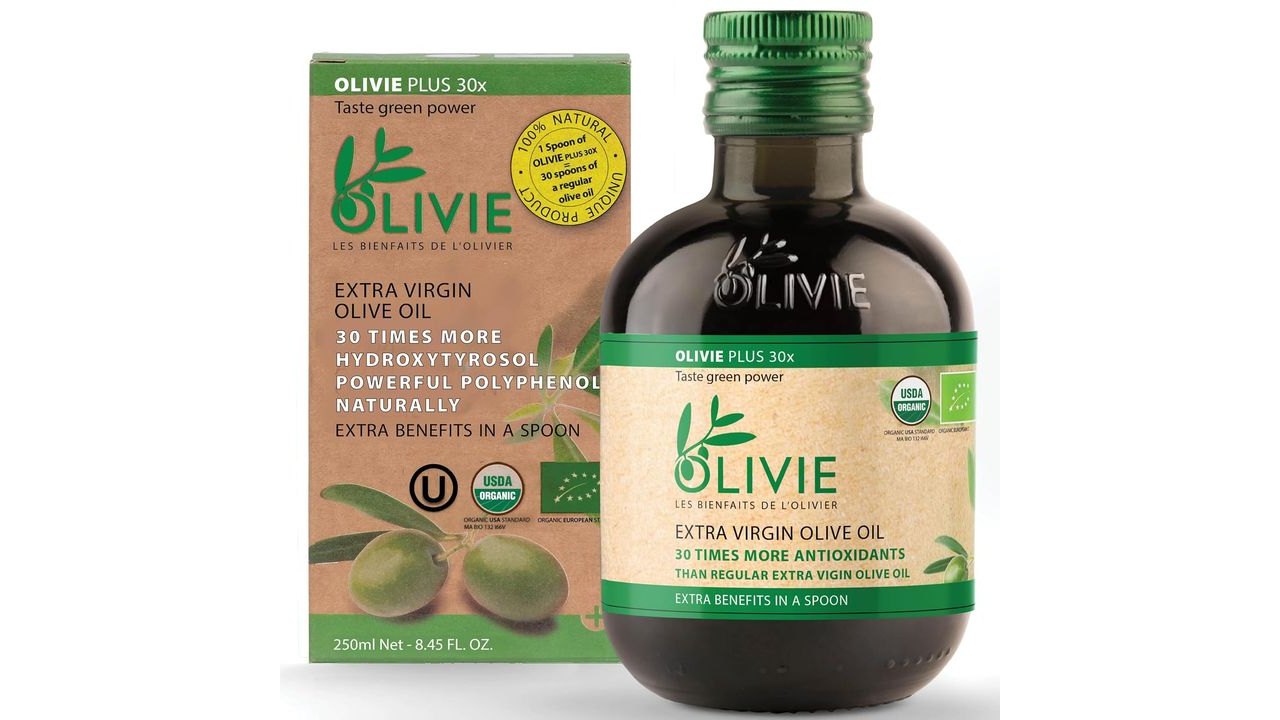
One 250 ml bottle carries roughly 60 mg of hydroxytyrosol and reads around 1,250 mg/kg polyphenols by the HPLC method, which is why people treat OLIVIE PLUS 30X as a daily shot, not a frying oil. It’s built for polyphenol intake and clinical backing, not for drizzling on everything at grocery-store volume.
Consider it if you:
- Want a high polyphenol olive oil taken as a daily tablespoon or shot
- Care about third-party clinical research over brand marketing
- Are chasing hydroxytyrosol for oxidative-stress support specifically
- Prefer a food-first approach over another pill
Look elsewhere if you:
- Expect a mild, buttery oil, the peppery bitterness surprises a lot of first-timers
- Want a big cooking bottle, 250 ml burns through fast at culinary volume
- Need it for high-heat frying rather than finishing or a spoon
The Polyphenol Gap Nobody Warns You About
Most supermarket olive oil delivers a fraction of the polyphenols people think they’re getting. Standard premium extra virgin oil typically lands somewhere between 100 and 300 mg/kg of polyphenols. Once you’ve read about hydroxytyrosol and its role in fighting oxidative stress, that number starts to feel like buying a vitamin with almost nothing in it.
That gap is the whole reason a high polyphenol olive oil like OLIVIE PLUS 30X exists. It’s an organic, single-farm, cold-pressed Moroccan extra virgin oil that reads around 1,250 mg/kg polyphenols by the HPLC/IOOC method, with roughly 233 mg/kg of hydroxytyrosol, the standout antioxidant in the mix. The brand’s shorthand for that is “30X,” meaning about 30 times the hydroxytyrosol of a typical supermarket bottle.
So this isn’t a cooking-oil purchase in the usual sense. It’s closer to a concentrated daily supplement that happens to taste like intense olives.
What’s Actually in the Bottle
The headline spec is hydroxytyrosol at around 233 mg/kg, the most potent polyphenol in olive oil and the compound the European Food Safety Authority has recognized for antioxidant protection. A single 250 ml bottle averages about 60 mg of hydroxytyrosol total. The brand recommends roughly one tablespoon a day, taken on a spoon, as a shot, or added to food.
| Spec | Detail |
|---|---|
| Bottle size | 250 ml (about 8.5 oz) |
| Polyphenols (HPLC/IOOC) | ~1,250 mg/kg |
| Hydroxytyrosol | ~233 mg/kg (~60 mg per bottle) |
| Origin | Single-farm, Morocco |
| Process | Cold pressed, extra virgin |
| Certification | ≥95% organic material, Kosher |
| Suggested serving | ~1 tbsp per day |
Why Desert Trees Make Stronger Oil
The polyphenol density traces back to where these olives grow. In Morocco’s desert climate, with heat reaching up to 126°F, rocky soil, and very little water, the olive trees go into what the brand calls “panic mode.” Under that stress, the trees pour their energy into producing protective compounds in the fruit, leaves, and buds. Those protective compounds are exactly the antioxidants buyers are after.
It’s a case where harsh growing conditions work in the buyer’s favor. The company behind it points to 130 years and four generations of olive-growing experience, which matters less for the science and more for the sourcing consistency.
The Taste Is Bold, and That’s the Point
Expect a strong, fruity, peppery olive flavor with real bitterness. That bitterness is intrinsic to high-polyphenol oils, not a sign of a bad batch. Polyphenols taste bitter and pungent by nature, so a milder oil usually means fewer of them.
This trips up first-time buyers. At least one reviewer described the taste as extremely bitter and wondered whether the oil had gone rancid, having come from a different high-polyphenol brand. Rancidity does happen with oils, but a peppery bite in the back of the throat is the expected profile here. If you’ve only had smooth, buttery supermarket oil, the first spoonful is a jolt. Many people mix it into food or chase it with something rather than sipping it neat.
Does the Research Hold Up?
Yes, there’s published clinical work behind it, which sets it apart from most premium oils. Trials at the Faculty of Medicine at Sherbrooke University in Quebec, run in 2024 and 2025, reported meaningful reductions in arterial inflammation markers and heart-vessel microcalcification when compared against regular olive oil.
A 2025 study in elderly heart-attack survivors found it boosted antioxidant power and reactivated HDL’s protective enzyme, PON-1, something conventional extra virgin oil didn’t manage in the same setup. That’s a more transparent research trail than the brand-funded claims behind many competitors.
One clear caveat: the health statements have not been evaluated by the FDA, and the product isn’t intended to diagnose, treat, cure, or prevent any disease. Promising early research is not the same thing as a medical endorsement. Anyone managing a heart condition or blood sugar issue should keep their doctor in the loop rather than swapping in a food product for treatment.
The Number Game: HPLC vs. NMR
The confusing part for shoppers is the two different polyphenol figures. By the internationally recognized HPLC/IOOC method, OLIVIE PLUS 30X reads about 1,250 mg/kg polyphenols and 233 mg/kg hydroxytyrosol. The brand states the same oil would read around 5,950 mg/kg polyphenols and 4,143 mg/kg hydroxytyrosol under the NMR method that some competing brands use.
Here’s why it matters: if one brand quotes an NMR figure and another quotes HPLC, the NMR number looks dramatically bigger even if the oils are similar. That makes side-by-side comparisons unreliable unless both brands disclose their method. Public research on this specific discrepancy is thin, so the practical move is to compare only oils measured the same way.
Where OLIVIE PLUS 30X Lands Against the Alternatives
Against Dr. Gundry’s polyphenol oil, OLIVIE PLUS 30X tends to come in at roughly half the price, which is exactly why some buyers switch over. Both market high polyphenol counts, but OLIVIE brings more transparent third-party clinical research to the table.
Against a standard premium Greek or Italian extra virgin oil, it’s a different category entirely. Those oils typically sit at 100 to 300 mg/kg polyphenols, come in 500 to 1000 ml bottles, and cost far less per milliliter. They’re the everyday cooking choice. OLIVIE, at 250 ml, is the concentrated daily-dose choice.
The trade-off: this is expensive per milliliter for culinary volume. It shines as a supplement shot and struggles to justify itself as an all-purpose frying oil.
The Bottle Size Reality
250 ml is smaller than the 500 to 750 ml most people expect from a grocery bottle. At one tablespoon a day, it stretches for a while as a supplement, but it would vanish fast if you cooked with it. That size amplifies the premium-price feeling, so it helps to go in treating it as a daily wellness item rather than a pantry staple.
Get it now
OLIVIE PLUS 30X Organic High Polyphenol Extra Virgin Olive Oil, 250ml | Ultra-High Hydroxytyrosol, Polyphenol Rich 1250 mg/kg, Research-Backed Moroccan Cold Pressed EVOO, Kosher, Premium Finish
Get the best price on Amazon →This post contains affiliate links. I may earn a commission at no extra cost to you.
Who This Oil Fits, and Who It Doesn’t
It fits the person who’s already sold on polyphenols and frustrated that commodity oils can’t deliver a meaningful dose. If you’re taking a daily tablespoon on an empty stomach for antioxidant support, inflammation, or a food-first alternative to another supplement, this is aimed squarely at you.
It’s a weaker fit for the cook who wants gallons of oil for roasting vegetables and dressing salads. The price per milliliter simply doesn’t reward that. It’s also a poor fit for anyone expecting a gentle flavor, the bitterness is a feature, not a bug, but it can be a dealbreaker if you’re not ready for it.
Worth Knowing Before You Buy
Stock can be inconsistent. Multiple retail channels have reported running out, which frustrates people who want to reorder on a schedule. If you rely on a daily routine, it’s worth grabbing a bottle when it’s available rather than waiting.
Store it away from light and heat. The dark glass bottle is there to slow oxidation and protect freshness, so keep the cap on tight and don’t leave it by the stove. And ease into the taste, start with a smaller amount mixed into food before you try a full spoon on its own.
Pros
- Very high polyphenol count, around 1,250 mg/kg by HPLC, with ~233 mg/kg hydroxytyrosol
- Published clinical research from Sherbrooke University, not just brand claims
- Roughly half the price of Dr. Gundry’s competing polyphenol oil
- Organic (≥95% organic material), Kosher, single-farm sourced
- Dark glass bottle helps protect against light and oxidation
Cons
- Strong, bitter, peppery taste that surprises first-time buyers
- Small 250 ml bottle makes it costly for everyday cooking volume
- Dual polyphenol numbers (HPLC vs. NMR) make comparisons confusing
- Health claims are not FDA-evaluated
- Stock runs out across retailers fairly often
Frequently Asked Questions
Does “30X” really mean 30 times more polyphenols than regular olive oil?
The 30X refers specifically to hydroxytyrosol, not total polyphenols. At around 233 mg/kg hydroxytyrosol, it’s roughly 30 times what a typical supermarket oil carries. It’s a real comparison for that one compound, not a blanket claim about every antioxidant in the bottle.
Can I take it as a daily shot, or do I have to cook with it?
You can take it as a daily shot, and that’s how it’s positioned. The brand suggests about one tablespoon a day on a spoon, as a shot, or stirred into food. Most people don’t cook with it because the small bottle makes culinary use expensive.
Is the bitter taste normal or a sign it’s gone bad?
The bitterness is normal for a high-polyphenol oil. Polyphenols are naturally bitter and pungent, so a strong peppery bite in the throat is expected. Rancidity smells stale or crayon-like rather than sharp and grassy, so trust your nose if you’re unsure.
Can I use it for high-heat cooking?
It’s better suited to cold use, finishing, or a daily spoon than high-heat frying. Heat degrades polyphenols, which defeats the entire reason you’d buy this oil. If you want a cooking oil, a larger standard EVOO makes more sense for the stove.
Is it certified organic?
Yes, it contains at least 95% organic material and is described as USDA certified, along with Kosher certification. It’s single-farm sourced from Morocco, which adds traceability compared with blended oils.
Are the heart and blood sugar claims FDA-approved?
No. The health statements have not been evaluated by the FDA, and the product isn’t intended to diagnose, treat, cure, or prevent any disease. There is published university research behind it, but that’s separate from FDA evaluation. Loop in your doctor for any medical concern.
Why are there two different polyphenol numbers?
The two numbers come from two lab methods. The HPLC/IOOC method reads about 1,250 mg/kg polyphenols, while the NMR method some competitors use would read closer to 5,950 mg/kg for the same oil. Compare oils only when they’re measured by the same method, or the bigger number always looks better.
Is it hard to keep in stock?
It can be. Several retailers have reported going out of stock, which annoys repeat buyers. If you’re building a daily routine around it, grabbing a bottle while it’s available is safer than counting on it being there next month.
How does it compare in price to Dr. Gundry’s polyphenol oil?
OLIVIE PLUS 30X typically runs about half the price of Dr. Gundry’s polyphenol oil, which is a common reason people switch. It also carries more transparent third-party clinical research. Check the current price at the link, since pricing shifts over time.
Get it now
OLIVIE PLUS 30X Olive Oil
Get the best price on Amazon →This post contains affiliate links. I may earn a commission at no extra cost to you.